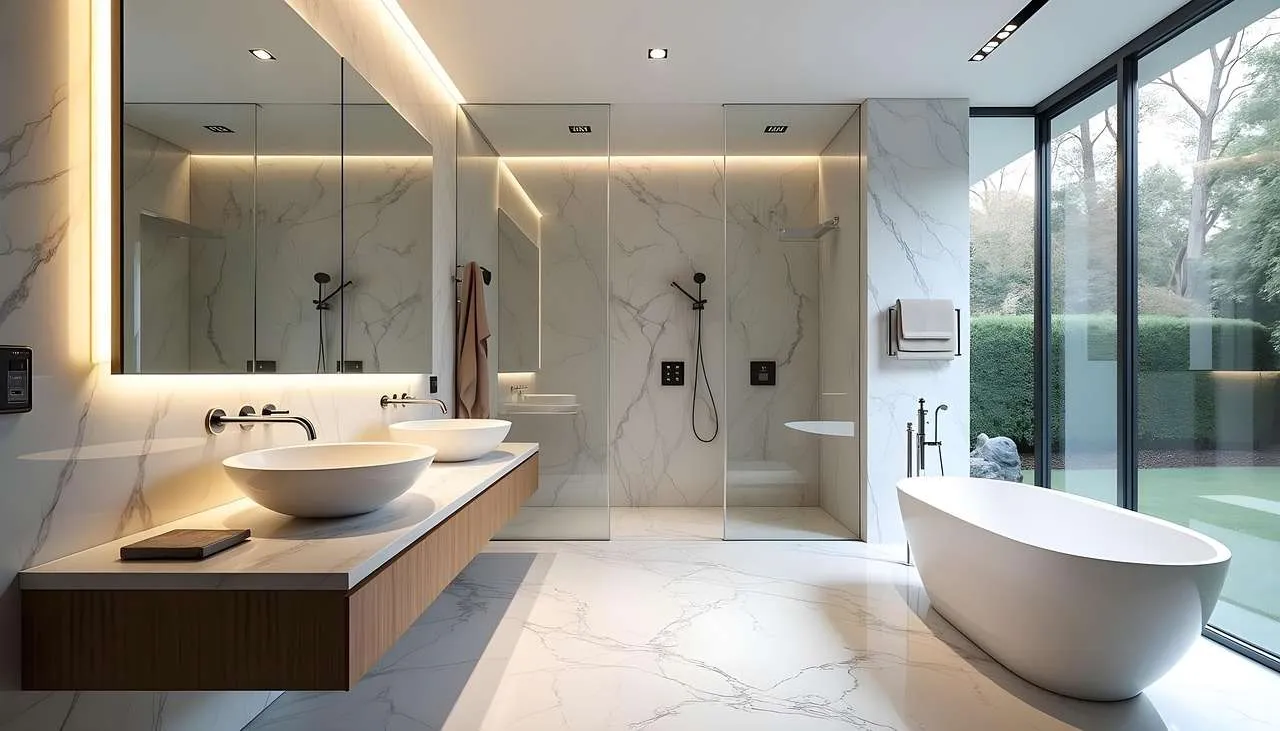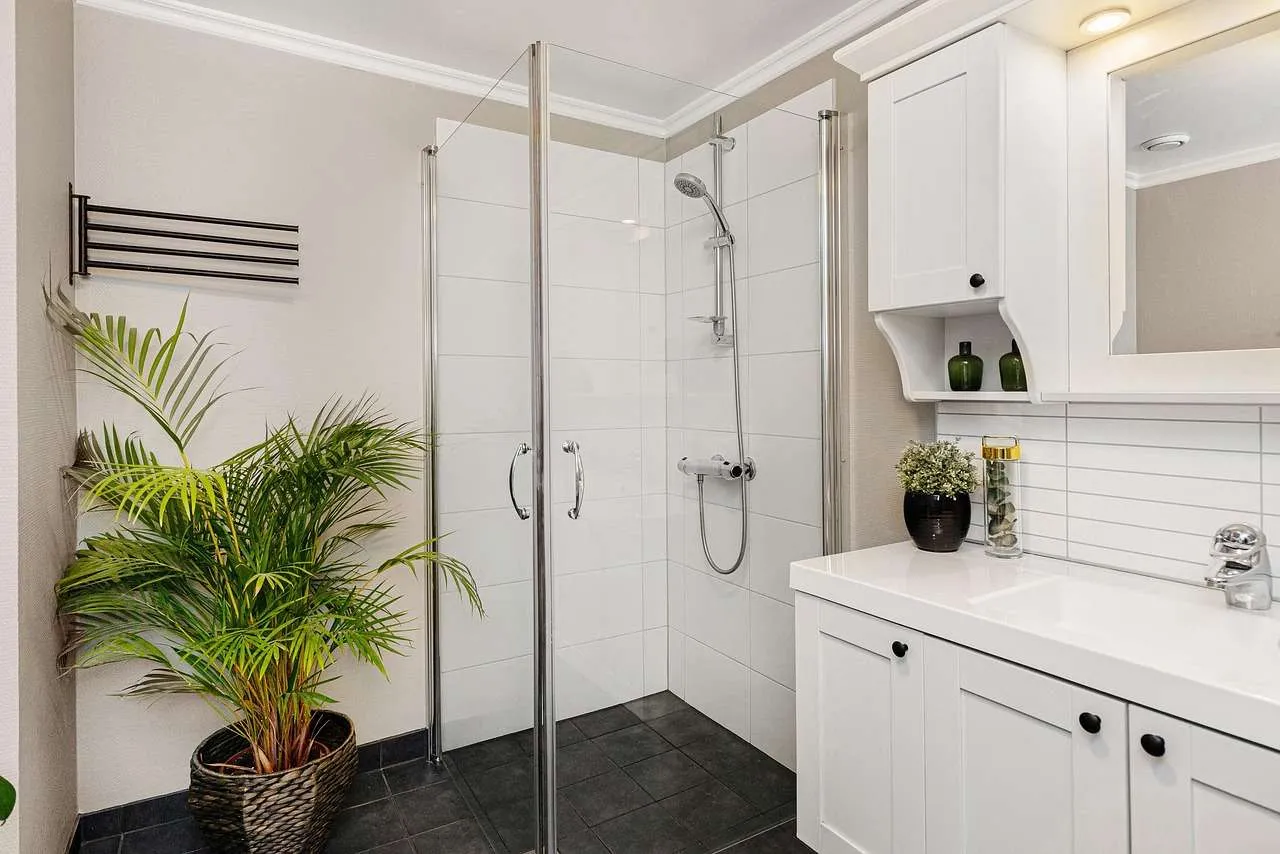
Choosing bathroom accessories is more than styling; it affects daily routines, hygiene, and storage efficiency. The right pieces create a space that feels calm and organized, whether you lean modern or traditional.
In this guide, a design professional shares practical advice on selecting materials, finishes, and maintenance to ensure longevity and a cohesive look.
Types of bathroom accessories
Essential items
Core items include a towel bar or ring, a toilet paper holder, a robe hook, a soap or lotion dispenser, and a mirror or vanity light. These pieces support daily use and help maintain a clutter-free space. Choose sturdy mounting hardware and finishes that match your fixtures for a unified appearance.
Smart and decorative options
Beyond the basics, consider lighting, mirrored storage, shelves, and shower caddies. Decorative touches like ceramic jars or metal trays add texture and color, balancing tile and cabinetry. Mix textures carefully to avoid visual chaos.
Materials and finishes
Materials matter in humid spaces. Stainless steel and brass resist corrosion; aluminum is lighter and budget friendly. Finishes such as brushed nickel, matte black, polished chrome, and warm brass suit different styles. Matte finishes hide water spots but require gentler cleaners; polished finishes are easy to wipe but show marks. Matching hardware across fixtures creates a cohesive look; mixing metals can work as a design choice in eclectic spaces.
How to choose the right accessories for your space
Assess size and layout first. Small bathrooms benefit from wall mounted storage, slim towel bars, and corner shelving, while larger baths can accommodate freestanding pieces. Consider maintenance: matte finishes need mild cleaners; polished metals tolerate routine cleaning. Style matters: modern spaces want clean lines, traditional baths benefit from ornament and ceramic accents.
Durability is another factor. Look for solid mounting hardware, corrosion resistance, and warranties that cover rust. If guests use the space, choose easy to replace pieces and avoid overly complex assemblies.
Installation and maintenance tips
For secure installation, locate studs or use heavy duty anchors. Use a level to prevent later shifting. Clean with mild soap and water and dry surfaces to avoid water spots. Regularly inspect brackets and screws and replace worn parts to prevent accidents. Align replacement cycles with remodel plans to keep everything fresh.
Budget, value, and sustainability
Accessories range from budget to premium. A cohesive set offers better resale value and a polished look. When possible, buy coordinated sets instead of mixing brands, and prioritize durable materials. Choose items with recycled content or longer lifespans to reduce replacements. Energy and water saving options can lower ongoing costs.
Comparison of common accessory categories
| Item | Typical Material | Pros | Cons | Best for |
|---|---|---|---|---|
| Towel bar / towel ring | Stainless steel, brass | Durable, supports towels; wall mounted | Drips if not mounted firmly | Medium to large baths |
| Soap dispenser | Plastic, stainless, ceramic | Reduces bottle clutter; easy to refill | Clogs if not cleaned | Vanity area, shared kid baths |
| Toilet paper holder | Brass, stainless | Keeps roll accessible; clean lines | Replacement roll may slide out | Any bathroom |
| Mirror / vanity cabinet | Glass, wood, metal framed | Lighted options improve visibility; storage | Heavier; can require professional installation | Small and large baths |
| Shelves and storage | MDF, metal, glass | Increase storage; customizable | Dusty in humid spaces | Organized spaces |
Conclusion
Conclusion, selecting the right bathroom accessories blends practicality with style. By understanding essentials, materials, and maintenance, you create a durable, easy to live with space that reflects your taste while withstanding humidity and daily use. A thoughtful, well chosen set adds value, reduces clutter, and supports healthier routines.