Choosing bathroom tiles is a core decision in bathroom design, combining aesthetics, durability, and maintenance. This guide explains how to select tiles that suit your space, budget, and lifestyle, while adhering to EEAT principles to ensure trustworthy, expert guidance.
Choosing Bathroom Tiles: Materials and Styles
Tiles come in many materials, each with unique looks and performance. The right choice depends on moisture exposure, foot traffic, and maintenance willingness.
Ceramic tiles
Ceramic tiles are budget-friendly and versatile, available in numerous colors and patterns. They are easy to cut and install, with moderate water absorption and adequate durability for most powder rooms and bathrooms with light to moderate use.
Porcelain tiles
Porcelain is a denser form of ceramic with low water absorption and high durability. Ideal for floors and showers, porcelain tiles resist staining and wear, often at a higher price point.
Natural stone
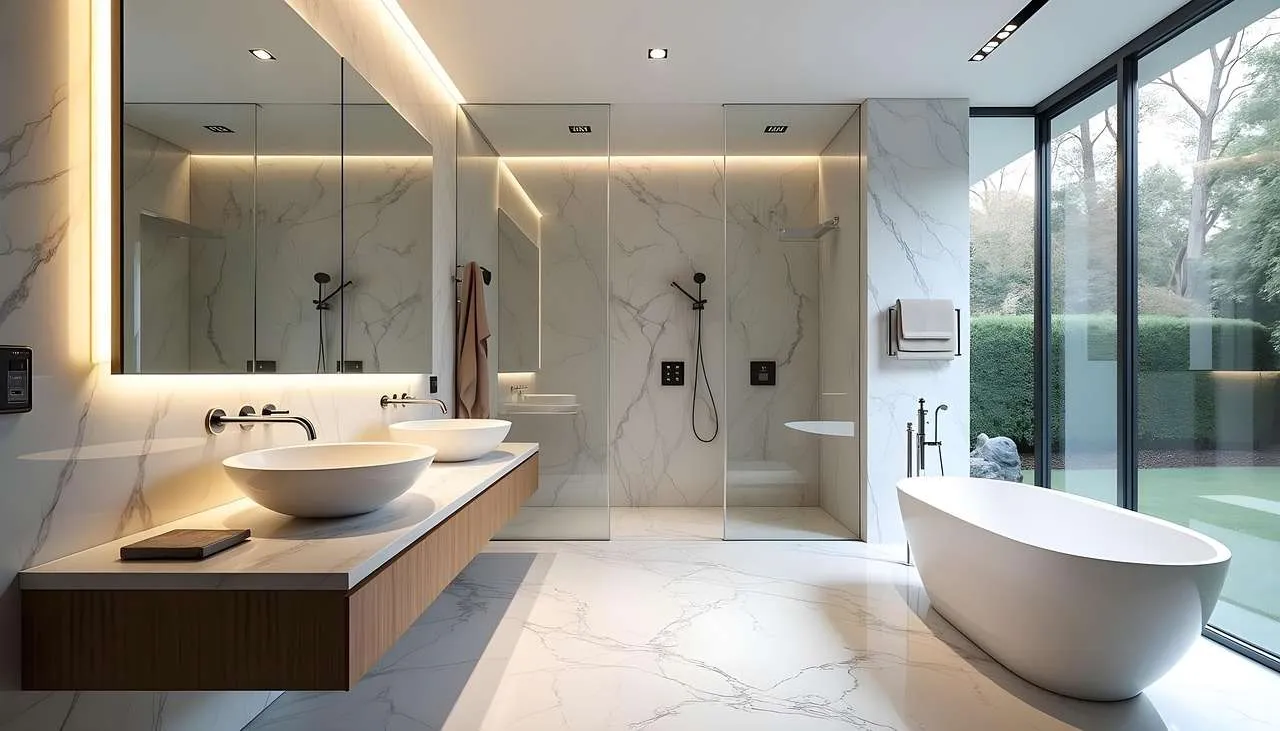
Natural stone such as marble or travertine offers luxury and unique veining. It requires sealing, more maintenance, and higher cost, but it can be stunning in bathrooms with proper care.
Glass and cement tiles
Glass tiles provide a glossy finish and moisture resistance, great for backsplashes or accents. Cement tiles offer bold patterns but may require sealing and careful upkeep.
Size, Layout, and Design Tips
Tile size influences the feel of a bathroom. Larger formats reduce grout lines and can make a small room look bigger, while smaller mosaics create texture and detail.
Subway and brick patterns
Classic subway tiles in a brick pattern never go out of style. They work well in traditional and modern bathrooms alike, paired with contrasting grout for visual punch.
Large-format tiles
Large-format porcelain or ceramic tiles minimize grout lines and simplify cleaning. They are excellent for modern, minimalist designs and wet zones with consistent slopes.
Color, texture, and grout
Grout color can alter the tile’s appearance; matching grout creates a seamless look, while contrasting grout adds depth. Texture can be matte, gloss, or satin, affecting slip resistance and light reflection.
Durability, Maintenance, and Installation
Durability depends on the tile’s material and installation quality. Sealing, proper substrate preparation, and quality grout prevent water intrusion and cracking.
Regular cleaning with non-abrasive cleaners, avoiding harsh chemicals, and re-sealing stone or cement tiles every few years extend tile life.
Expert tips from tile professionals
- Consult a licensed installer for showers and wet areas to ensure proper waterproofing.
- Check substrate flatness and level before laying tiles; high spots create lippage and cracking.
- Choose high-quality grout and sealants, and re-seal porous stones periodically.
- Test moisture and plan for ventilation to keep tiles looking fresh longer.
Cost Considerations and Expert Advice
Budgeting should include tiles, underlayment, grout, sealant, and professional installation if needed. Costs vary by material, size, and design complexity, but investing in quality tiles often reduces long-term maintenance.
| Tile Type | Water Absorption | Durability | Maintenance | Typical Cost |
|---|---|---|---|---|
| Ceramic | Moderate | Good | Low | Low–Moderate |
| Porcelain | Low | Excellent | Low | Moderate–High |
| Natural Stone | High | Good | High | High |
| Glass | Low | Good | Low | Mid–High |
With the right tile choice, you can balance style and practicality, ensuring a bathroom that remains beautiful and functional for years.
Conclusion, this guide has covered selecting materials, planning layouts, and maintaining your bathroom tiles to keep them looking fresh and durable over time.